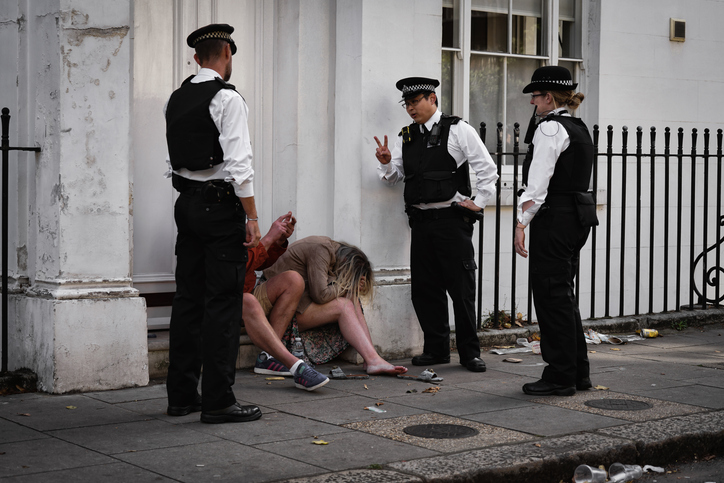
I’ve been watching closely how West Midlands Police are transforming their response to people in a mental health crisis. As CEO of Bridge Support, this is extremely relevant to how we think about accountability, risk, and care in our services.
A Decade of Shift: From Pilot to Embedded Change
It all began with Operation Stone, launched more than nine and a half years ago. The goal was to rethink how the police handle crimes committed in mental health inpatient settings, especially offences against emergency workers.
Detective Constable Karen Barker was appointed as an investigative mental-health coordinator. Her role quickly grew: advising officers, making sure health trusts received shared information, supporting victims (both staff and service users), and delivering training from frontline officers right up to senior leadership.
The force rolled out the national Right Care, Right Person (RCRP) framework across its region in February 2024. The idea is simple: make sure people in mental health crises are directed to the right agency, whether that’s the police, local authorities or mental health services.
Real-World Impact: What the Numbers Reveal
The results speak for themselves. Where only 2% of reported incidents in mental-health inpatient settings used to result in a “positive criminal-justice outcome” (like arrest or court escalation), that figure is now over 30%.
But there’s a stark contrast with under-reporting. In Birmingham and Solihull alone, there are an estimated 15,000 assaults every year in mental-health settings. Yet only about 250 are reported to the police. That gap is huge and speaks to trust, stigma, and system barriers.
Another really striking stat comes from their Mental Health Triage Pilot: since January, out of 1,058 call-outs under section 136 of the Mental Health Act, only 2 people have been taken to a police station.
Of the rest:
- 306 people were assessed and resolved at the scene by the triage team.
- 228 who needed hospital care were transported in a triage vehicle staffed by a mental-health nurse and paramedic—rather than by ambulance or custody van.
That’s not just becoming more efficient. It’s a cultural change with clinical support front and centre, and fewer people criminalised when they’re unwell.
What It Means for Bridge Support
These figures don’t feel abstract to me—they map directly onto the risks and opportunities we face as a provider. Here’s how we should lean in:
- Strengthen our working relationships: Liaison matters. A role like Karen Barker’s could be life-changing in our context, someone who understands policing, mental health, and investigations.
- Train with intention: Our teams need to grasp the “how” and the “why” of these processes—what happens when a service user gets investigated and how their clinical history interacts with criminal-justice processes.
- Improve reporting and trust: 15,000 vs 250 isn’t a reporting problem, it’s really about trust. We must make it safer for everyone to report incidents.
- Measure outcomes carefully: It isn’t enough to just record incidents. We need to monitor how many escalate, how many see justice, and how many are resolved with support and care. That will tell us where we’re doing well and where the gaps remain.
- Spot concerns sooner: The triage stats show that quick, on-scene assessment works. We should invest in early risk-flagging for the people we support so we can work proactively with mental-health services and, where needed, with policing partners.
Bigger Picture: A Culture Shift in Police Response
This isn’t just a new tactic for WMP. It’s a mindset shift. Officers are learning that paying attention to a person’s state of mind is pivotal in how they respond. For too long, crises have been met with enforcement by default. But this work shows that when you embed mental health expertise at every level, from call centres to custody, you make more humane and safer decisions.
At Bridge Support, I want us to be part of shaping that vision. To me, it’s a simple but powerful question: can we work in a way where clinical care and criminal justice don’t feel like competing systems but collaborating partners?
The Road Ahead
Yes, there are big challenges. Under-reporting remains a barrier. Resources are stretched. The landscape is still changing. But WMP’s transformation gives me confidence that progress isn’t just possible… it’s already happening.
We’ll keep pushing on our side: strengthening relationships, training staff, refining our incident-response processes and measuring our outcomes. But this isn’t just Bridge Support’s job. It’s a shared journey with police, health trusts, commissioners, and the people we support.
Further Reading
Why Mental Health Services Fail Prisoners After Release